

Walk any type of London road and you can check out the city's past in its home windows. Sash frameworks in Georgian balconies, steel casements in interwar homes, slim aluminium in converted storehouses, uPVC replacements in suv semis. Each period picked what looked right and what was readily available. Now the standard most London house owners include in that checklist is efficiency. Power expenses and thermal convenience issue, which is where low‑E coatings, excellent glazing build‑ups, and sensible frame choices earn their keep.
This guide unpacks exactly how low‑E glass works in our environment, why specific glazing mixes outmatch others in central and external London, and just how to select between uPVC and aluminium without succumbing to marketing shortcuts. I'll also share practical installment notes from actual tasks, especially for residence expansions where you may be mixing timeless exteriors with modern-day windows.
What low‑E actually performs in a London context
Low E represents low emissivity. The glass brings a microscopically thin, transparent metal oxide layer that shows long‑wave infrared energy. In ordinary terms, it aids maintain heat where you want it: inside in winter season, outside in summer season. The elegance is that the finishing does this without turning your window into a mirror, given you choose the appropriate specification.
There are two primary kinds you'll meet when talking with a London double glazing firm. Soft coat low‑E, also called sputter layer, is used in a vacuum cleaner chamber and sealed within a protecting glass unit. It provides greater performance with U‑values from regarding 1.0 to 1.4 W/m TWO K in double glazing, lower still in triple. https://saxonwindows.co.uk/ Difficult coat low‑E is pyrolytic, baked onto the glass during manufacture, and is much more durable to dealing with but much less efficient, with common dual glazed U‑values around 1.6 to 1.8.
Our heat losses in London are dominated by winter season. Older residences can shed 10 to 25 percent of their warm via windows, even more if you have single glazing and leaky frames. A soft layer low‑E on the cavity face, paired with argon fill, can reduce that loss in half. You will really feel the difference in surface temperature level. With basic dual glazing, an inner pane on a cold January night might sit at 9 to 11 ° C if the space is 20 ° C. The same window with a high‑performance soft coat and warm side spacer frequently measures 14 to 16 ° C. That five‑degree lift draws the room away from that familiar perimeter chill.
Choosing the ideal glazing build‑up for our weather
London's climate provides us mild winters months by continental standards, regular wind and motoring rain, and summer heat that currently presses indoor temperature levels annoyingly high during heatwaves. A great low‑E option equilibriums wintertime U‑value and summertime solar gain control.
Double glazing with a 28 mm general deepness, commonly 4‑20‑4, stays the workhorse. With soft coat low‑E, argon, and a warm side spacer, you can hit a whole‑window U‑value around 1.2 to 1.4, depending upon structure. Acoustic efficiency enhances with asymmetry, as an example 4‑16‑6.8 laminated, which also includes security. For south and west altitudes, consider a solar control variation of low‑E with a g‑value in between 0.35 and 0.5 to handle summer season getting too hot in areas with huge areas of glass. North altitudes can take a higher g‑value, closer to 0.6, capitalising on cost-free wintertime gains without glare.
Triple glazing is sneaking right into London, mostly in impermeable retrofits and deep extensions. It usually lowers U‑values to 0.8 to 1.0 W/m TWO K at the glass center, yet it includes weight and cost. The framework, spacer, and installation top quality become even more vital. In terraced roads with narrow gain access to and older brickwork, I typically encourage three-way glazing only when the building material validates the complexity and the glazing area is big sufficient for a meaningful benefit. In several Victorian homes, a well‑specified dual glazed low‑E system with limited air‑sealing offers 80 percent of the gain with less compromises.
Frame selections that support the glazing
Low E glass is just component of the tale. The framework product establishes the thermal bridge around the perimeter and communicates with the glass device with the spacer. London homeowners usually locate themselves picking between uPVC and aluminium, occasionally for various components of the same house.
Modern uPVC carries out quite possibly thermally thanks to multi‑chamber profiles. It is usually the most effective material for modern-day home windows in budget‑conscious upgrades where you desire the greatest warmth retention per pound spent. With a suitable account, steel reinforcement where needed, and correct gaskets, anticipate whole‑window U‑values between 1.2 and 1.4 with high quality double glazing. uPVC window and door professionals in the residential areas tend to have shorter preparations, and for standard sashes or tilt‑and‑turns, that local proficiency shows in clean installs and trusted aftercare.
Aluminium excels where slim sightlines matter and where larger periods or bespoke shapes remain in play. The thermal break is the important component. Older aluminium systems with very little breaks feel chilly to the touch and leak warmth. Newer long lasting aluminium framework styles with multi‑chamber breaks and foam inserts close the gap considerably. Pair a premium aluminium system with soft layer low‑E, and you can see whole‑window U‑values around 1.3 to 1.5 for double glazing, reduced with three-way. The architectural strength of aluminium makes it the default for sliding doors, rooflights, and photo home windows in residence expansions. An aluminium window company London homeowners rate will be forthright concerning system option, not simply brand gloss.
If you are comparing uPVC and aluminium doors for a back extension, look beyond the headline U‑value. Ask for air permeability class (aim for Class 4), water rigidity (Course 7A or above is valuable in revealed sites), and wind resistance (Course C). For sliding systems, keep in mind the glass thickness restrictions for safety glazing and whether the rollers are stainless-steel or nylon. The protected and elegant home windows London customers desire are commonly aluminium in the big openings and uPVC for bedrooms and restrooms, which balances expense, efficiency, and aesthetics.
Low E finishes, colour making, and clarity
You can modify low‑E to handle solar gain and UV, yet it is worth taking into consideration how the glass browses the seasons. Some low‑E and solar control combinations include a faint grey or environment-friendly color. In north‑facing rooms with minimal daylight, that can make the area really feel cooler than it is. If you are changing front home windows in a sanctuary, the council may scrutinise reflectivity. Many modern low‑E coatings fall within acceptable restrictions, yet I check the sample sheets at the actual home window positioning and time of day. Look for clarity, not simply numbers on a datasheet.
For bed rooms and street‑level areas, specify laminated internal panes where functional. Laminated glass with a low‑E finishing preserves heat, obstructs most UV, and improves acoustic convenience. It also implies if the glass cracks, the interlayer holds it, acquiring you time to replace the device without a safety risk.
Warm side spacers and condensation control
That little strip you barely discover at the glass perimeter matters. Warm side spacers made from composite or stainless minimize warm loss at the edge of the unit and boost the inner surface temperature along the border where condensation loves to create. In London's wet winters months and kitchens without best ventilation, warm edges plus soft layer low‑E typically suggest the difference in between dry sills and consistent moisture. It is a fairly little cost uplift, and it is non‑negotiable in my book.
Pay focus to drip ventilators also. They can compromise the U‑value narrative if you spec them improperly. Newer flush, acoustically damped vents let you fulfill Structure Rules without a constant draft. If your home already has a whole‑house air flow system, coordinate with your installer to avoid repetitive vents.
Where low‑E sits in a heritage facade
Say you possess a 1900s balcony with original sashes at the front and a scheduled back extension with large panes. You want to enhance home comfort with glazing and still respect the street. In this scenario, I frequently maintain or restore lumber sash home windows at the front with slimline dual glazing or high‑performance secondary glazing. Low‑E coatings and gas fill can be made use of in slim units, but the spacer width limits efficiency. You may see a U‑value closer to 1.6 to 1.8 in a 16 to 18 mm system. Incorporate that with correct draft proofing, and the room changes without disturbing the facade.
At the back, modern-day windows for house expansions require different logic. You can go bigger, slimmer, and extra thermally enthusiastic. South‑facing space gain from a solar control low‑E to limit summer warm. Rooflights over kitchen areas need both low‑E and solar control to stay clear of standing under a greenhouse during July afternoons. An external blind or an inner display with a reflective back can end up the job.
Installation high quality straightens out the numbers
An immaculate glass requirements can not make up for inadequate installment. For many years I have revisited homes where the glass was ideal but the thermal video camera informed a various story. The perpetrators are generally familiar: gaps behind frameworks left vacant, foam that never cured, cills without end dams, and perimeter securing that reduced. A costs double glazing setup represent all that with pre‑planning and guidance, not simply materials.
If you are speaking to a London double polishing business, ask about their fixing method in stonework. I like mechanical dealings with via the framework right into strong block at suitable factors and low‑expansion foam to fill the cavity, then backing pole and sealer on the interior and exterior. In dental caries wall surface houses, confirm just how they will certainly link or insulate the reveal to avoid cold edges and black mould lines. Examine that packers will certainly bring the structure tons, not foam. It sounds fussy until you pay a winter season gas expense and discover the boundary drafts are gone.
Comparing uPVC and aluminium where it counts
There is no solitary champion when choosing between uPVC and aluminium. The right selection depends upon the opening, your goals, and the house style.
- uPVC shines in standard‑sized windows in bed rooms, restrooms, and corridors. The profiles protect well, maintain expense reasonable, and deal enough colour and woodgrain choices for the majority of tastes. A great uPVC producer with bonded edges and stainless or composite reinforcement at hinges creates a durable, low‑maintenance outcome. In limited terraces where you intend to reduce exterior upkeep, this is a simple call. Aluminium takes the lead for big sliders, stacked glazing, and slim mullions where daylight and sights issue. The strength allows narrower sightlines and taller doors. Thermal efficiency is close to uPVC with the best system, and the surface alternatives are unrivaled: RAL colours, textured powder layers, and bicolour structures. For urban plots where every centimetre of glass width matters, aluminium makes spaces really feel bigger.
If you are weighing uPVC vs aluminium for home upgrades throughout an entire residence, a combined technique is usually the most effective material for contemporary windows in functional terms. Use aluminium for the hero openings and uPVC for the remainder. It is a quiet compromise that checks out as thoughtful, not piecemeal.
Security and hardware details that matter
Low E and thermals fill up the headlines, however daily feeling stays in the hardware and sightlines. Espagnolette locks and multi‑point gear must be stainless or high‑grade covered steel. Joints with easy‑clean functions earn their maintain in upper floorings. For doors, aim for 24 conformity or better, laminated glazing as standard, and cyndrical tube locks with anti‑snap, anti‑drill features. On large sliders, define lift‑and‑slide gear with robust tracks. Cheaper inline sliders usually really feel stiff after a couple of winters months of grit and expansion.
If you are comparing uPVC and aluminium doors, watch threshold design. Flush thresholds look lovely however need to stabilize ease of access with water administration. Ask to see a section illustration of the threshold as constructed, including drain paths. In London's unexpected cloudbursts, a well‑designed threshold conserves floors and tempers.
A practical view of expenses and savings
Replacing home windows is never ever inexpensive, and the array is wide. In London, anticipate a basic uPVC sash with soft layer low‑E, warm side spacer, and argon to drop in the area of ₤ 500 to ₤ 900 per opening, depending upon dimension and coating. Aluminium matchings commonly begin around ₤ 900 and stretch past ₤ 1,500 for custom-made colours or slim systems. Huge aluminium sliders span from ₤ 3,000 to ₤ 7,000, occasionally more for three-way track or minimal frame designs.
Annual energy savings differ with your starting point. Leaping from solitary to excellent double glazing with low‑E can shave 10 to 20 percent off heating usage in a leaky residence once you include correct sealing. For a common London semi with a ₤ 1,400 annual gas expense, that is about ₤ 140 to ₤ 280 annually. The repayment story improves if you value comfort, condensation decrease, sound control, and resale allure alongside pounds saved. If pure efficiency drives the job, cover home windows right into a broader plan: loft insulation, airtightness work, and better controls worsen your gains.
House expansions and glass area, a determined approach
The modern-day London expansion enjoys glass. It also presents overheating danger. Aim for percentage and performance as opposed to glass for glass's purpose. A back kitchen‑diner dealing with west, for instance, will reward you for picking a solar control low‑E with a g‑value around 0.35 to 0.45, coupled with exterior shading if allowed. A rooflight over an island can utilize a slightly greater g‑value if you pair it with a blind, delivering soft light without turning the area right into a sauna.
Glare and reflectivity issue also. A living space where you see television or service a laptop take advantage of reduced iron glass by day yet may mirror interior lights in the evening if the layer is also solid. Evaluation samples in place if possible. A reputable aluminium window company London engineers trust fund will have mock‑ups or display rooms where you can stand in front of the glass, not simply review spec sheets.
Working with distributors that support the work
The distinction in between a smooth task and a frustration is rarely the glass itself. It is sychronisation, study accuracy, and interaction. The far better dual glazing distributors in London send experienced surveyors with wetness meters and lengthy levels, not simply a tape. They identify out‑of‑square openings and lintel problems before manufacture. They chat U‑values and g‑values clearly and will inform you when triple glazing adds weight without benefit.
When you look around, try to find installers who photo the exposes throughout mount and share them with you, particularly if you can not get on site. Ask how they manage waste, recycling of old frameworks, and guarantees for the sealed units. A 10‑year frame and installment service warranty is conventional; glass device service warranties commonly run 5 to 10 years. If a quote damages the marketplace wildly, check what has been removed out. Warm side spacers, laminated glass, and respectable hardware typically go missing out on first.
A step‑by‑step to obtain your specification right
- Walk your home and checklist each opening up with orientation, room usage, and any kind of condensation or sound issues. Keep in mind which facades you see from the street. Decide where you require slim sightlines or huge spans. Designate those to aluminium and the rest to uPVC unless preservation rules say otherwise. For each elevation, pick a low‑E and g‑value pairing that suits sunlight direct exposure. Include laminated inner panes to street‑facing or bed room windows. Specify warm side spacers, argon fill, and flow vents only where ventilation technique needs them. Confirm acoustic targets if you are on a busy road. Interview two to three firms, one well-known uPVC window and door expert and one or two aluminium makers, and request thorough area illustrations and equipment schedules.
Keep that list to hand when you compare quotes. It maintains the conversation anchored in efficiency instead of adjectives.
Maintenance, life-span, and the long view
uPVC needs little past a wipe and occasional gasket treatment. The main ageing markers are fading on darker foils and hardware wear. Aluminium's powder layer is durable, specifically in marine‑grade finishes, and rewards a light cleaning agent clean every couple of months in metropolitan contamination. Systems last when they are lubricated one or two times a year. The low‑E coating sits protected inside the device, so it does not degrade from cleaning. What can fail are seals. Expect modern covered units to last 15 to 25 years on average. Poor drain and constant ponding on the spacer can reduce that; excellent weep openings and cill layout expand it.
When preparation replacement doors and windows, take a look at how the cills meet your brickwork. London stock blocks and soft mortar do not like aggressive cutting. A great installer will make head and cill trims that value the structure fabric. Where you have wood linings or plaster returns, ask for protected plasterboard on the reveals to raise surface area temperature levels at sides, matching the low‑E performance.
Case notes from real London homes
A Walthamstow balcony with rattling single‑glazed sashes at the front and a 1990s sunroom in the back had the typical winter path march of chilly to warm rooms. We kept the front altitude in character with slimline dual glazed lumber sashes using soft layer low‑E and a 14 mm dental caries. It really did not provide heading numbers, yet the draft proofing and cozy edge spacers made the front rooms livable. Out back, we changed the conservatory with a modest brick‑and‑glass extension, aluminium sliders with a g‑value around 0.4, and a rooflight with solar control. Summertime peak temperature levels come by roughly 4 to 6 ° C, and wintertime nights stopped pulling individuals toward the radiators.
In a Peckham semi with website traffic noise, uPVC casements with asymmetric laminated low‑E systems cut roadside sound by an obvious margin, particularly the rumble regularities. A method that assisted was moving from equal pane splits to fewer mullions, decreasing the number of frame‑to‑glass user interfaces that can leak audio. The owners informed me the initial quiet Saturday morning really felt uncanny.
A storehouse conversion near Shoreditch utilized aluminium throughout. The brief was safe and trendy windows London loft space customers anticipate, with marginal frame and durable locking. We utilized soft layer low‑E with a mid‑range g‑value, then added external shielding on the leading floor. The shading saved the day that initial 32 ° C week, validating the point that glass specs need companions in shielding, not heroics on their own.
Where to go from here
If your priority is power reliable window choices without changing the personality of your home, start with low‑E double glazing, cozy edge spacers, and correct air‑sealing. If you are opening up spaces and want contemporary lines, lean toward aluminium where extends demand it, yet watch on g‑values to regulate warm. For the remainder, specifically basic bedroom and shower room openings, uPVC still offers outstanding value.
When you talk to distributors, ask the questions that reveal deepness as opposed to sales gloss. What is the glass build‑up by pane and interlayer? Where specifically does the low‑E sit? Which spacer, which gas, what U‑value whole‑window, not simply facility of glass? Just how do they treat the reveals and cills? If a firm addresses those swiftly and clearly, you are on the best path.
London's real estate stock is incredibly varied. With thoughtful options and a couple of non‑negotiables-- soft layer low‑E, warm edges, excellent frames, careful installment-- you can draw the chill out of winter months spaces, take care of summer season glare, and let your home breathe without squandering heat. The result is not just a reduced costs. It is a quieter, calmer inside that feels ideal whenever you shut the home window and notice the city soften beyond the glass.
Doorwins
Address: Office 11, Dearden House, W Gate, London W5 1BS
Phone: 020 8629 1250
Doorwins Windows and Doors has become among the most experienced London window and door manufacturers. Our in-house fabrication team manufacture, supply and fit bespoke bifold doors for property renovations across London and Greater London.
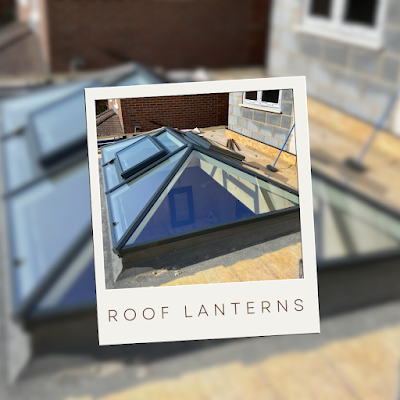
Our every glazing installation shows our deep understanding of glazing systems and installation standards. Whether you need roof lanterns or skylights, we offer end-to-end glazing services to meet your needs.
As a reputable double glazing supplier in London, Doorwins continues to set benchmarks for quality, reliability and service.
AREAS COVERED: North London, West London, South London, East London, Central London, Inner London.
Doorwins aluminium windows and doors
Address: Office 3, 186 Greenford Ave, London W7 3QT
Phone: 020 8629 1171
Description: Aluminium glazing experts delivering energy-efficient, low-U windows and doors for new builds, extensions and refurbishments.
Services: Manufacture and supply only
Products: Made-to-measure aluminium windows and doors for full home upgrades, including energy-efficient glass, multi-point locking and matching roof lights.